
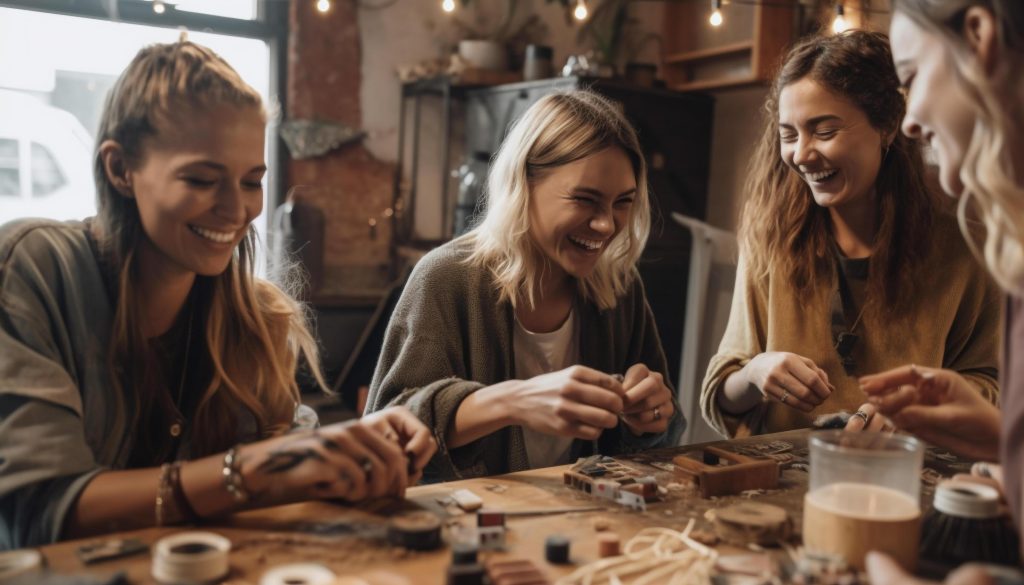
Creativity isn’t reserved for painters, musicians, or professional writers. It shows up in countless ways—gardening, cooking, doodling in a notebook, trying a new recipe, or even building a piece of furniture. These activities may seem small, but they are powerful tools for well-being. Engaging in hobbies isn’t just about filling spare time; it’s about carving out space for joy, expression, and balance in our lives.
Why Creativity Matters
Creative activities engage parts of the brain that allow us to process emotions, relieve stress, and reconnect with the present moment. Many people describe entering a “flow state” when absorbed in a hobby—a sense of being so focused and present that time seems to pass effortlessly. This kind of engagement quiets the chatter of worry and stress, giving our minds and bodies a much-needed break.
Creativity also strengthens resilience. Life is full of change and uncertainty, and when we practice creative thinking, we stretch our ability to be flexible and adaptive. Even something as simple as experimenting with a new recipe or rearranging a garden bed helps us practice trying, adjusting, and moving forward.
The Trap of Perfectionism
One of the biggest barriers to engaging in creative hobbies is the belief that we need to be “good” at them. Many of us carry old messages from childhood—like being told we weren’t artistic, musical, or athletic enough—and those voices can make us hesitant to try again as adults.
But here’s the truth: creativity as self-care has nothing to do with performance. It’s not about the final product. It’s about the process. The act of sketching, strumming a guitar, or experimenting with colors on a canvas offers the benefits—not whether the result belongs in a gallery or on a stage.
Perfectionism robs us of the joy of practice. When we let go of expectations, we open the door to play, curiosity, and exploration. In fact, it’s often the imperfect, messy moments that bring the most relief and laughter.
Hobbies as Self-Care
Hobbies remind us that life isn’t only about responsibilities or productivity. They create space for personal expression, playfulness, and even rest. The small act of working on a puzzle, knitting a scarf, or tending a plant can provide a sense of accomplishment and grounding.
These activities also serve as gentle reminders of our capacity to learn and grow. Each time we return to a hobby, even if we’re still figuring it out, we practice patience and persistence. This steady practice builds resilience far more than aiming for a flawless outcome ever could.
Getting Started
If you’ve lost touch with hobbies, start small. Ask yourself: What have I always been curious about? What used to bring me joy as a child? Maybe it’s learning to play an instrument, trying watercolors, or even baking bread. The key is to choose something that feels fun—not something you feel pressure to master.
Give yourself permission to be a beginner. Remember, the goal isn’t perfection; it’s presence. Five minutes of sketching or trying out a new recipe is enough to shift your mindset and nurture your well-being.
Gentle Inspiration: Hobby Ideas to Try
- Journaling or creative writing
- Painting, drawing, or collage
- Gardening or caring for houseplants
- Playing or learning an instrument
- Knitting, sewing, or other crafts
- Cooking or baking something new
- Photography (even just on your phone)
- Hiking, birdwatching, or nature walks
- Puzzles, board games, or model building
A Gentle Reminder
Self-care is not just about checking boxes; it’s about tending to your whole self—body, mind, and spirit. Creativity and hobbies provide a unique way to reconnect with joy, reduce stress, and strengthen resilience. They remind us that the value lies in showing up, not in the finished product.
So, whether your knitting project has uneven stitches or your garden has a few weeds, know that the act of engaging is what matters most. Practice, not perfection, is where self-care truly lives.